




In an increasingly interconnected world, compliance with economic and trade sanctions has become a critical concern for businesses and individuals alike. The Office of Foreign Assets Control (OFAC) is a division of the U.S. Department of the Treasury that administers and enforces economic and trade sanctions based on U.S. foreign policy and national security goals. Understanding how to effectively navigate these regulations and mount a robust OFAC Sanctions Defense can be pivotal for entities facing potential sanctions violations.
What Are OFAC Sanctions?
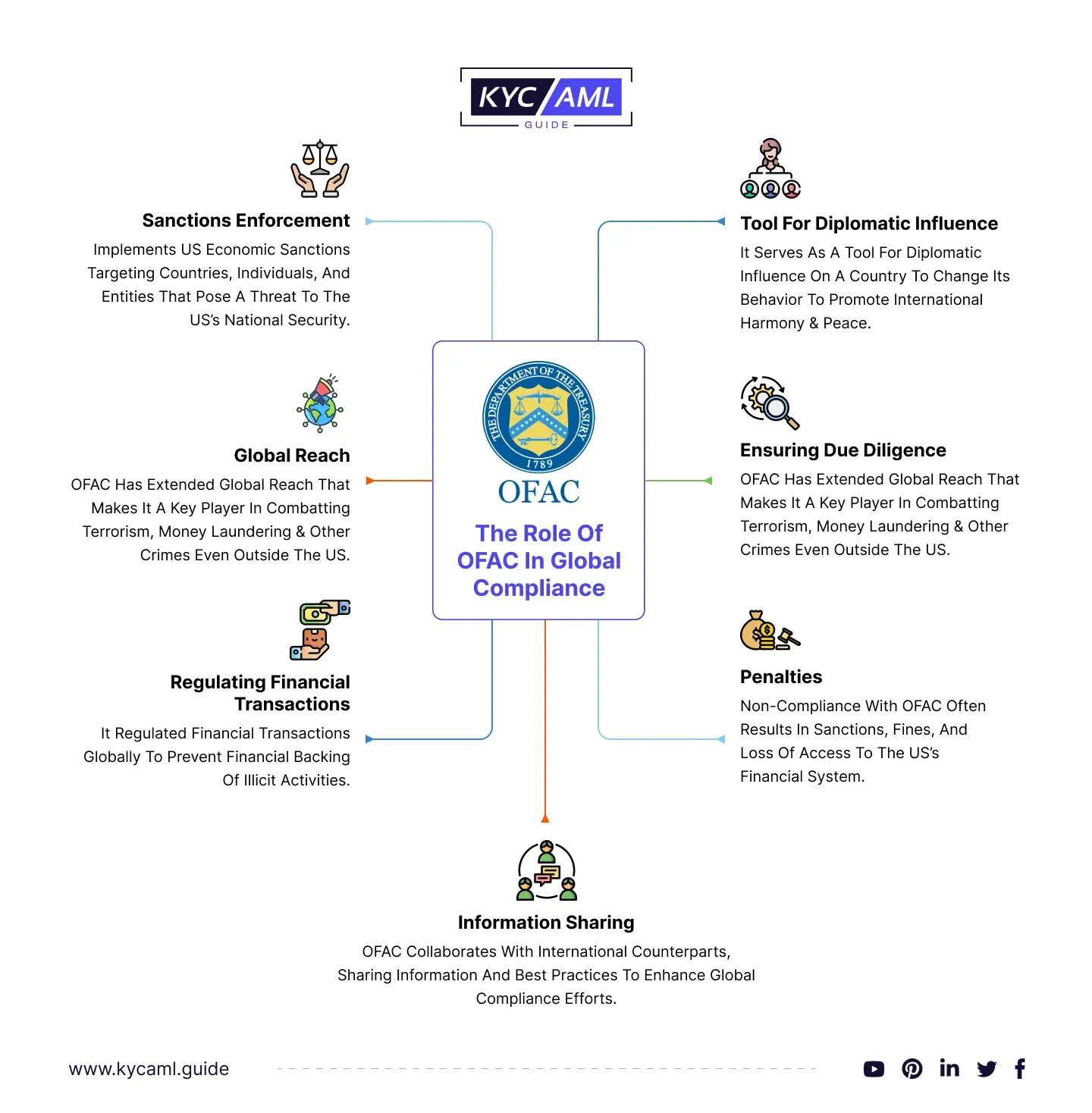
OFAC sanctions are restrictions placed on countries, regimes, terrorists, and other entities that pose a threat to U.S. national security, foreign policy, or economy. These sanctions can include asset freezes, trade restrictions, and prohibitions on financial transactions, effectively isolating these entities from the U.S. financial system. It is important for businesses to familiarize themselves with the specific sanctions that may apply to their operations to avoid severe penalties.
The Importance of Compliance
Compliance with OFAC sanctions is not only a legal necessity but also a crucial component of a company’s risk management strategy. Non-compliance can result in substantial fines and penalties, criminal charges, and reputational harm. Thus, establishing a comprehensive compliance program is essential. Such a program should include procedures for screening transactions and individuals against OFAC’s Specially Designated Nationals (SDN) list, training employees, and conducting regular audits.
Developing an OFAC Compliance Program
Creating an effective OFAC compliance program involves several key steps:
- Risk Assessment: Identify the risks associated with your business activities, including customers, countries, and the products you sell.
- Policies and Procedures: Develop clear policies and procedures that comply with OFAC regulations, detailing how your company will handle potential sanctions issues.
- Screening: Implement robust systems for screening transactions, customers, and suppliers against OFAC lists to ensure compliance.
- Training: Educate your employees about OFAC regulations and your company’s compliance policies to ensure everyone understands their role in preventing violations.
- Audits and Monitoring: Regularly perform audits and monitoring of transactions to detect and address potential violations proactively.
Defending Against OFAC Sanctions
If a business or individual faces potential sanctions, it is crucial to mount a strong defense. Legal representation is vital in navigating the complexities of OFAC sanctions defense. Here are some strategies that can be employed:
- Gather Evidence: Collect all relevant documentation, including contracts, communication records, and financial transactions that can substantiate your position.
- Demonstrate Compliance: Show the steps you took to comply with OFAC regulations and how you mitigate risks.
- Engage Legal Counsel: Working with seasoned attorneys who specialize in sanctions law can significantly strengthen your case. They can help interpret regulations, provide advice on compliance measures, and represent you during legal proceedings.
Recent Trends and Changes in OFAC Regulations
OFAC regulations and sanctions are continuously evolving. Businesses must stay informed about changes in legislation, the addition of entities to the SDN list, and shifts in U.S. foreign policy. Engaging in regular training and consultation with legal experts can help ensure that your compliance program adapts to these changes swiftly and effectively.
The Role of Technology in OFAC Sanctions Defense
In today’s digital age, leveraging technology can enhance your OFAC compliance efforts. Various software solutions can automate the process of screening transactions and individuals against OFAC lists, thereby
.png)
reducing the risk of human error. Implementing artificial intelligence and machine learning can further improve the accuracy of risk assessments and monitoring capabilities.
Conclusion
As economic and trade sanctions continue to play a significant role in global business, understanding OFAC sanctions defense is crucial. Establishing a robust compliance program, staying informed on regulatory changes, and engaging expert legal counsel are all essential strategies for mitigating risks. By taking proactive measures and utilizing available resources, businesses and individuals can navigate the complexities of OFAC sanctions and safeguard their interests.